
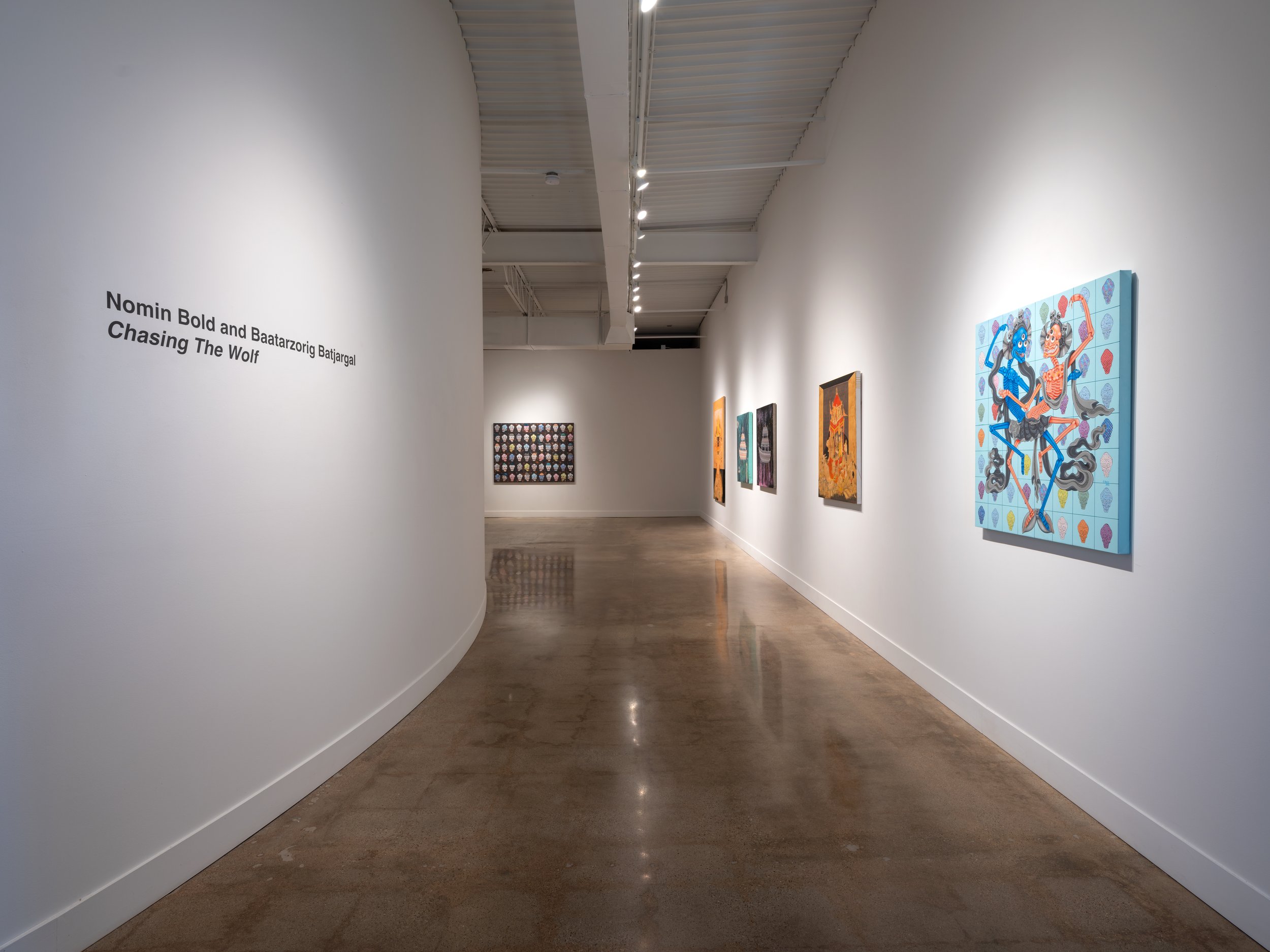



Nomin Bold & Bataarzorig Batjargal:
Chasing the Wolf
September 7 - October 26

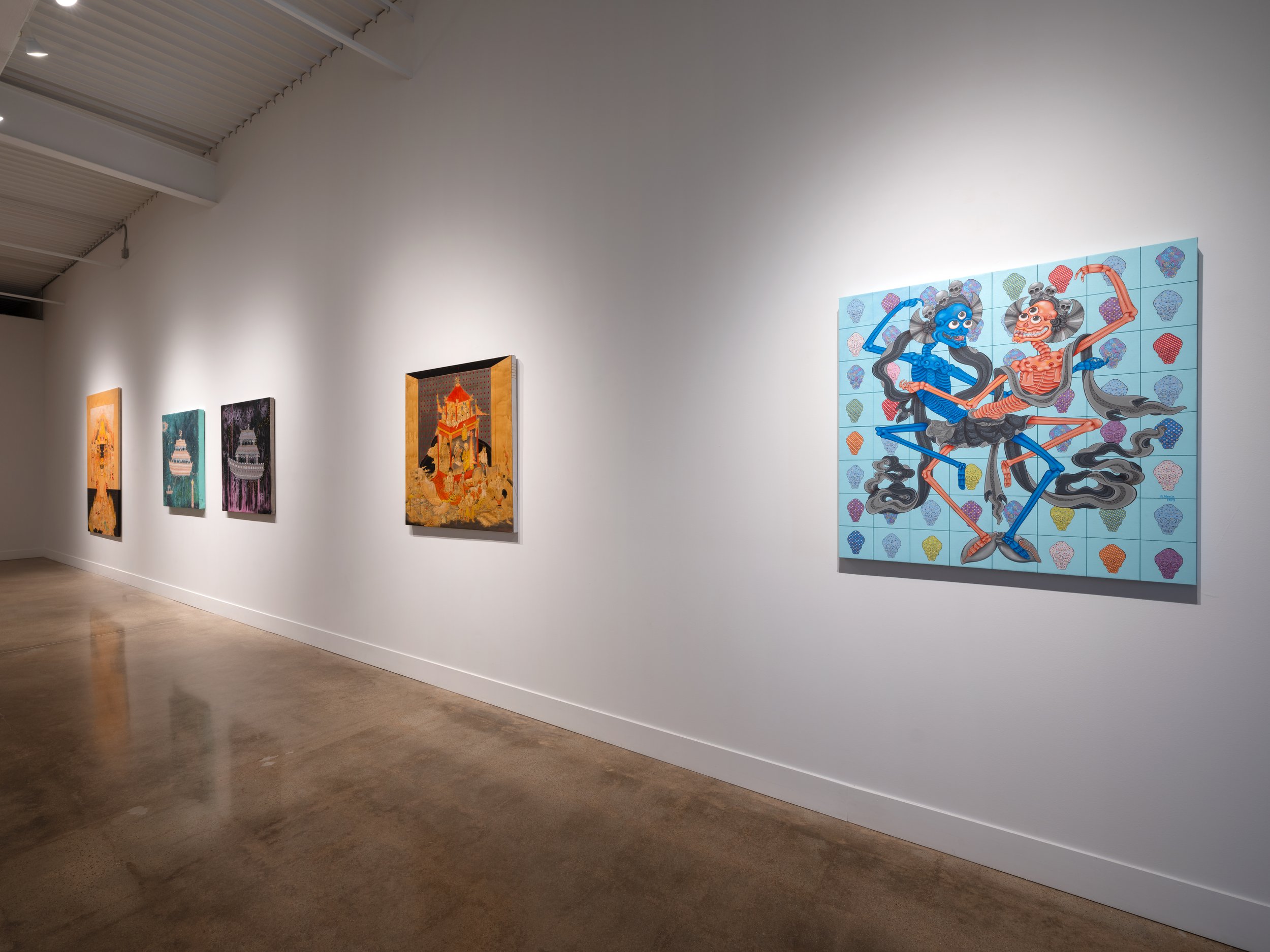
Nomin Bold, Monogamy, 2023, Paper collage, acrylic, canvas, 39 x 39 in.
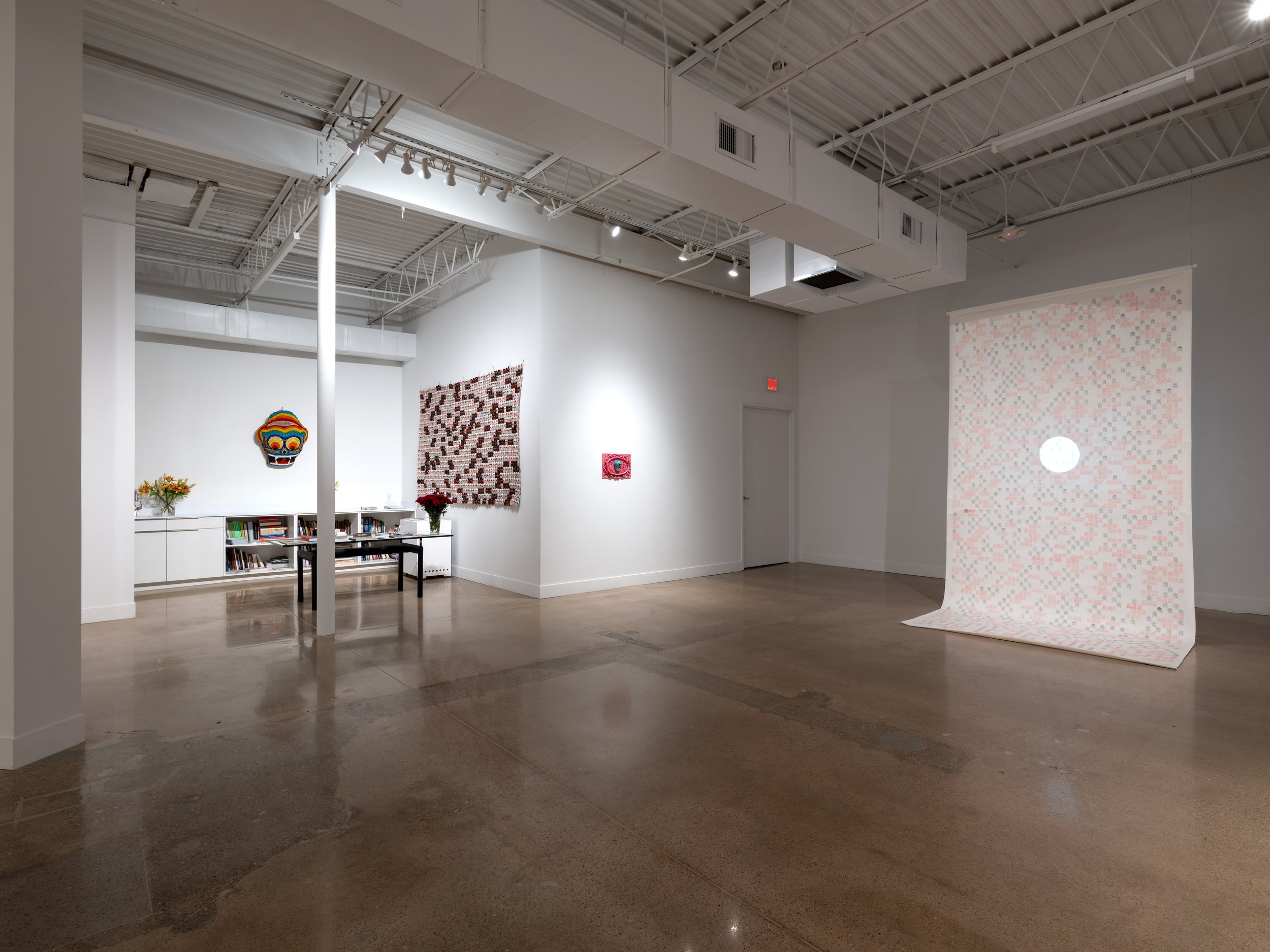
Liliana Bloch Gallery is proud to open its 2024 fall season with a two-person exhibition entitled Chasing the Wolf featuring the works of Nomin Bold & Bataarzorig Batjargal. This will be the first Baatarzorig Batjargal exhibition in the US.
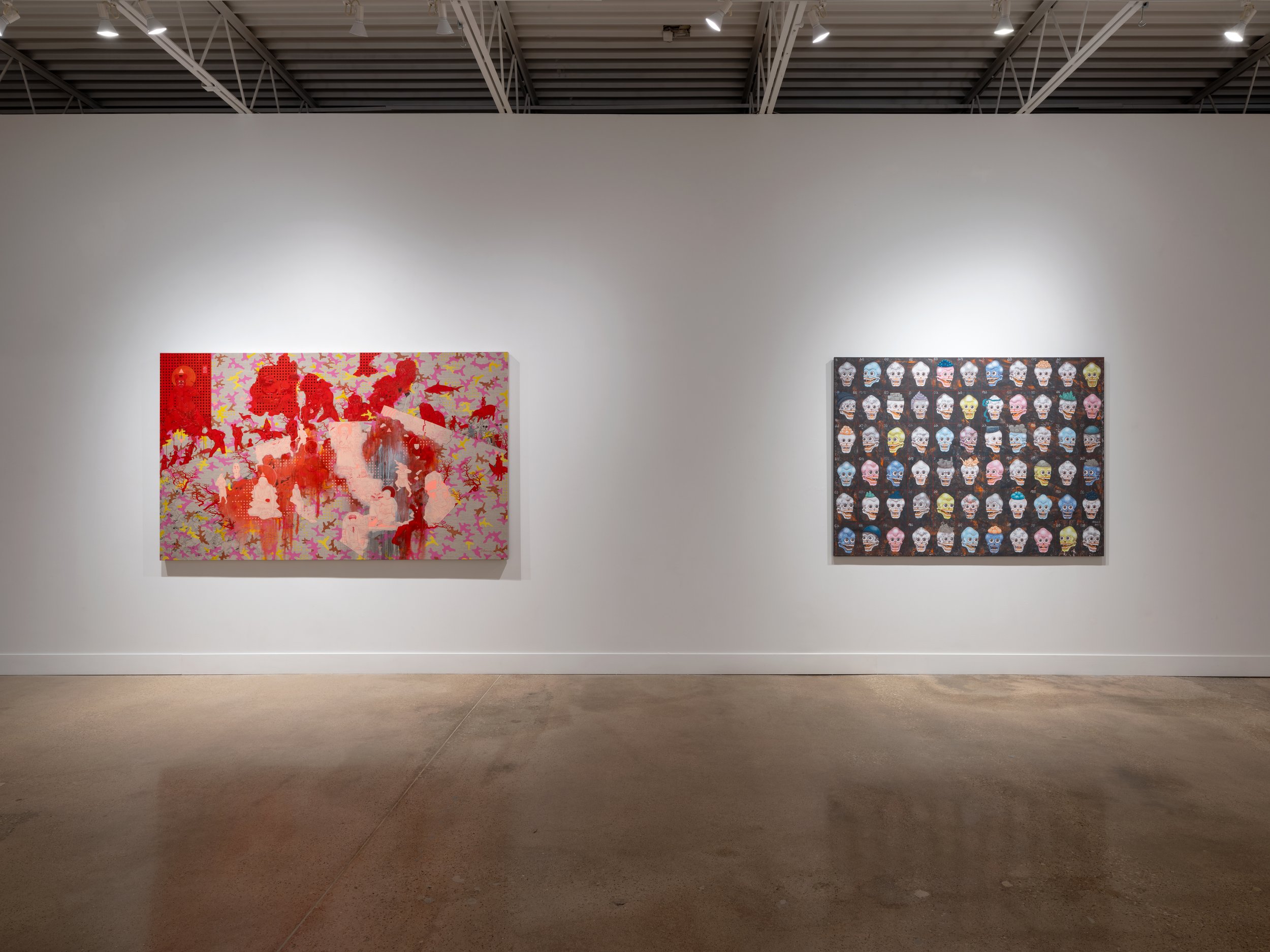
Bold and Batjargal’s body of work is an ongoing investigation and denunciation of the brutality of Mongolia’s neoliberalism policies aimed at corporate gain at the expense of people’s well-being. Both artists use Mongol Zurag (Translated as Mongolian painting), developed in the 1950s by Nyam-Osoryn Tsultem (1924-2001), to protect cultural heritage and national identity. Tsultem was key to conceptualizing an independent “national style” that connected nomadic and Buddhist cultures. Mongol Zurag was born as an act of rebellion that exists today against social realism aesthetics.
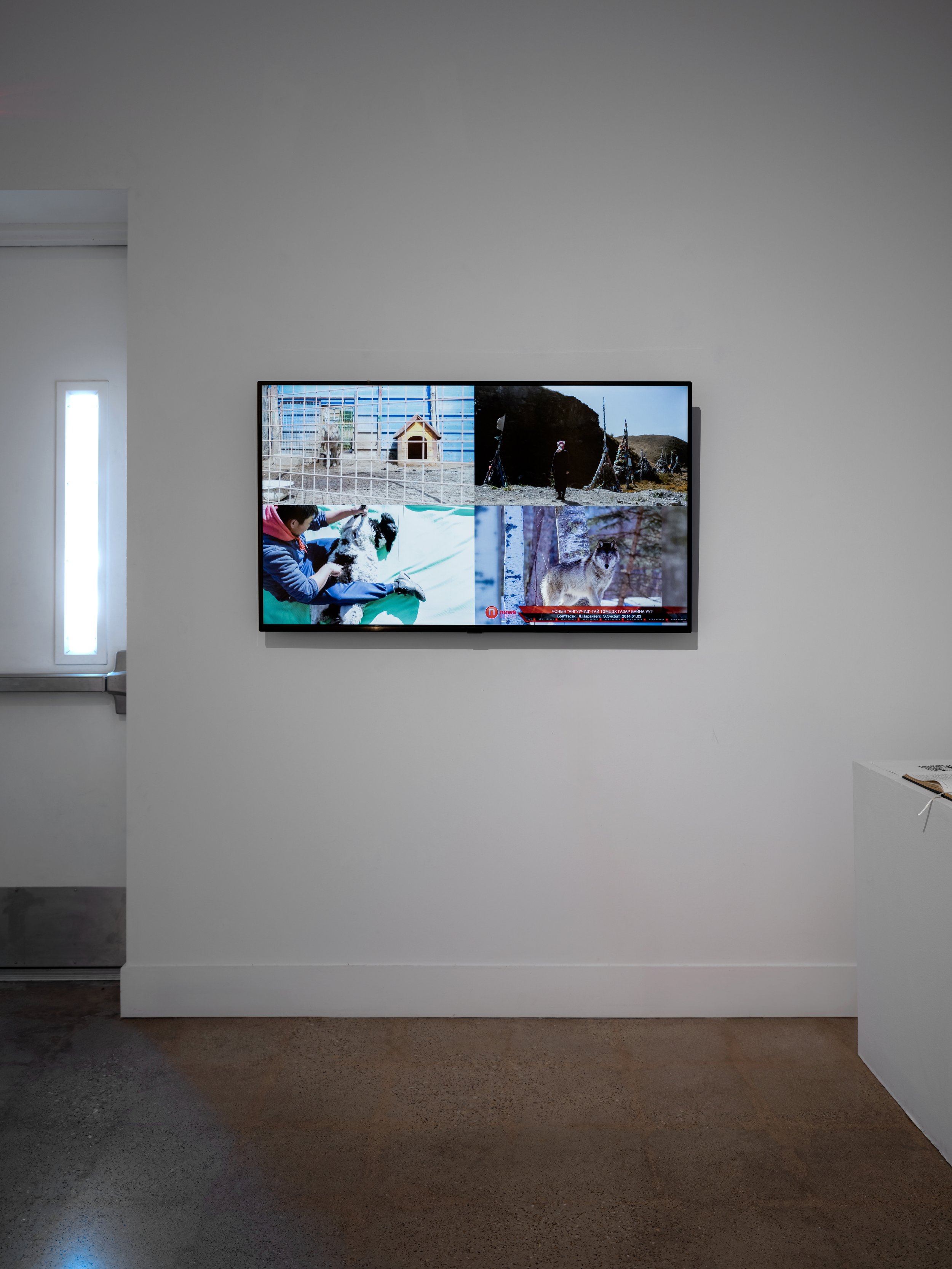
Nomin and Baatarzorig expanded the scope and mediums of Mongol Zurag in the XXI century, focusing on the taxing maladies of neoliberalism since the country transitioned to multiparty democracy in the early 1990s. Both artists use diverse mythologies and visual metaphors to convey ideas of spirituality, exploitation, tribalism, and Westernization of millenary civilizations, using globalism as a weapon for greed and division between pastoral and urban societies. The exhibition title alludes to the canis lupus chanco, an endemic wolf central to the legend that ancient Mongolian people had been born from a union between the blue-gray wolf and a deer. Wolves are believed to carry the spirit of Mongolian ancestors, the link proven by the “Mongolian spot”—a bluish patch found on the lower back of most Mongolians in their infancy.
Nomin Bold’s work focuses on a critical approach to Mongolian society's transition to modernity. The artist departs from personal experience, expressing internal struggles in a generation experiencing friction between tradition and modernity. Bold’s oeuvre brings an unexpected combination of heterogeneous visual elements full of detailed references and symbols. Buddhist imagery in Nomin’s art serves as motifs and emblems of traditions placed amid contemporary commodification. Her compositions are inspired by questions about the nature of tradition and how it can be subverted, transfixed, and transformed.
Born in 1982 in Mongolia, Nomin Bold studied visual arts at the Mongolian University of Arts and Culture in Ulaanbaatar. Bold’s work has been exhibited in the 14th edition of Documenta, Kassel, Germany, Bangkok Art Biennale in 2

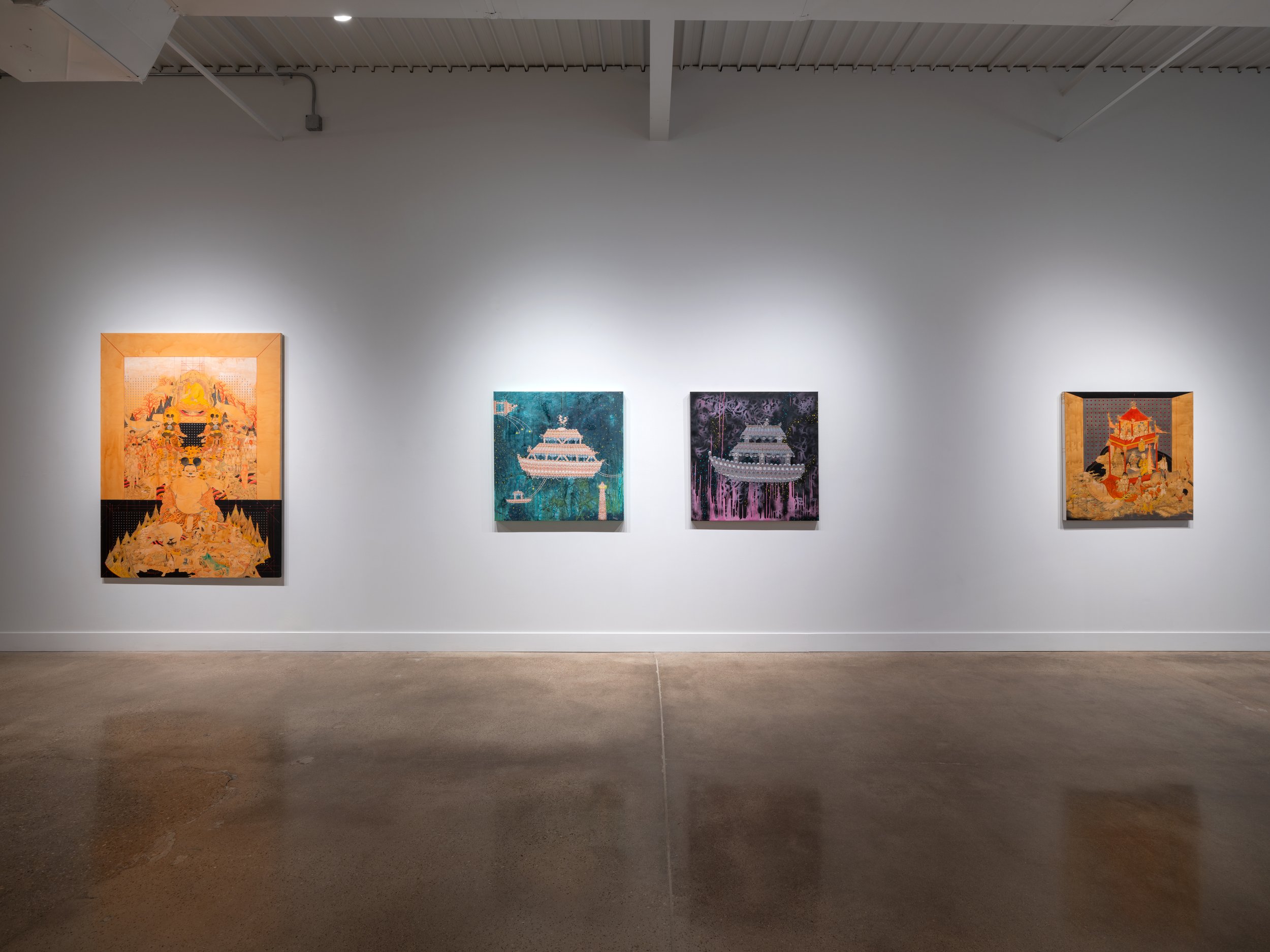
Baatarzorig Batjargal , Deja Vu, 2024, Acrylic on canvas, 75 x 55 in.

Nomin Bold , SpaceShip (1), 2022, Acrylic on canvas, 39 x 39 in.

Baatarzorig Batjargal , Red and White, 2023, Acrylic on canvas, 57 x 96.5 in.

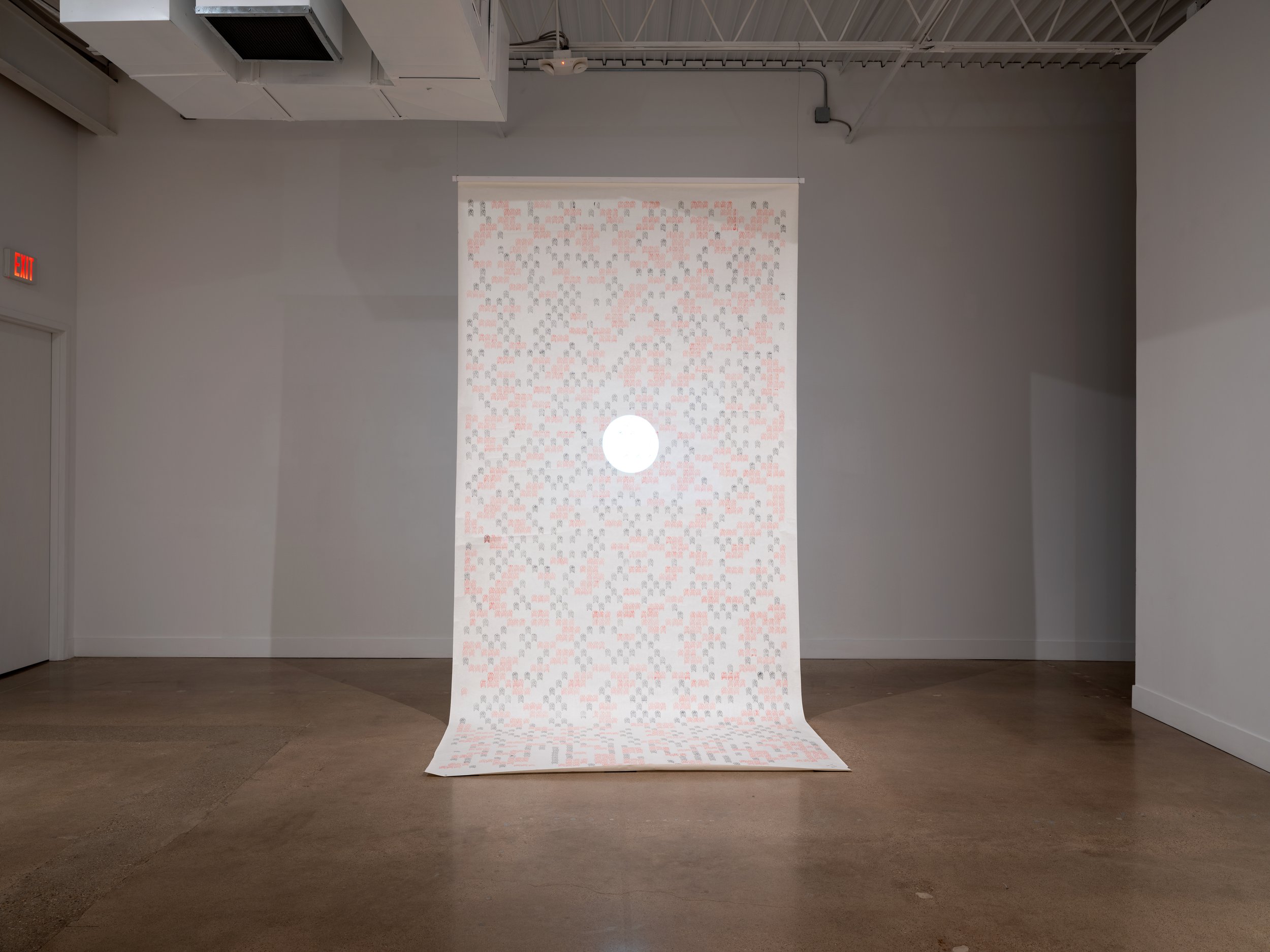
Nomin Bold , Transporter (Tapestry), 2020, Mixed media, fabric, 120 x 67 in.